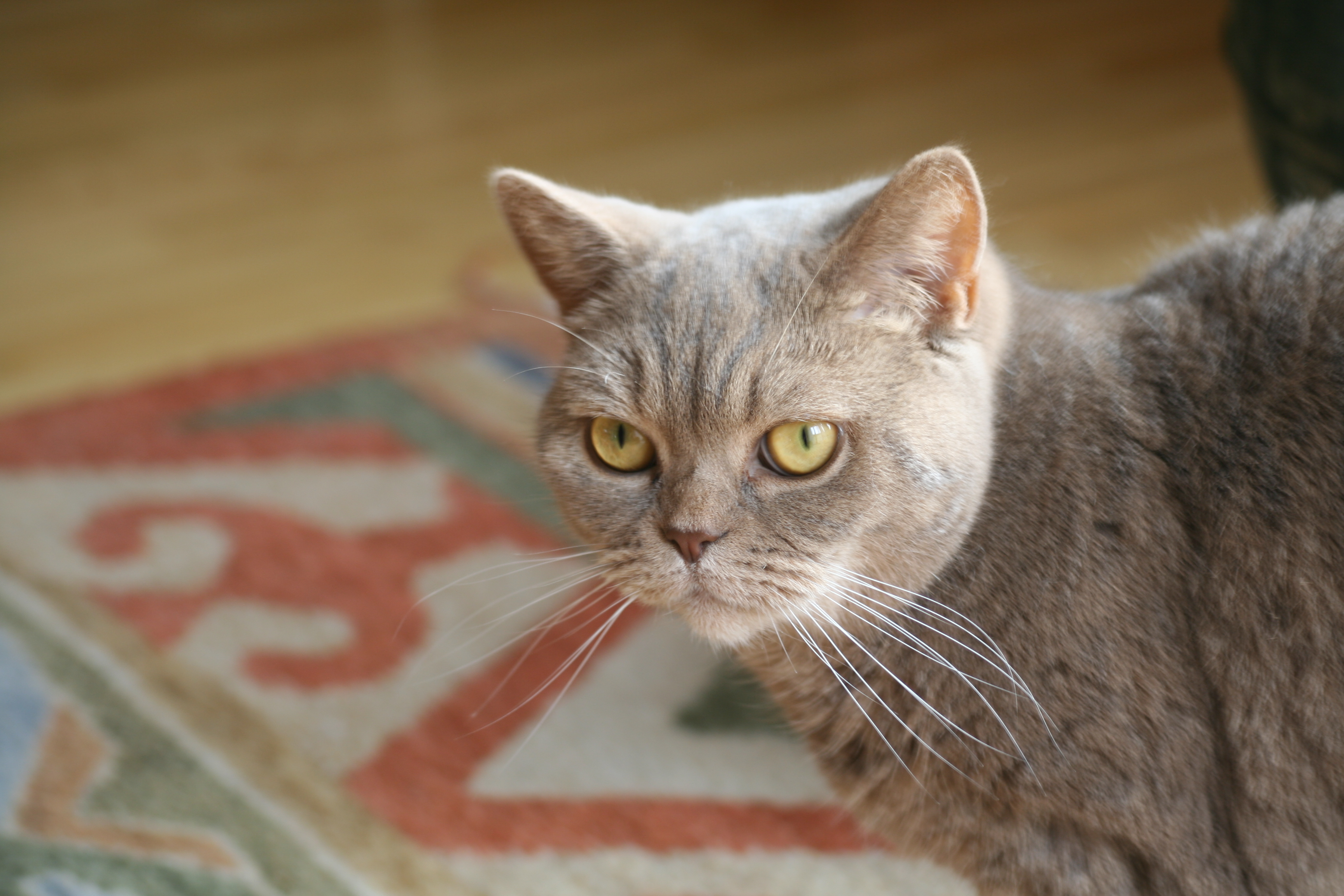
British Shorthair cats are easy to like. They have round faces, dense plush coats, and a calm, watchful expression that gives them a teddy-bear look. They also tend to be steady, undramatic companions, which is a big part of their appeal.
That easygoing reputation can be a little misleading, though. British Shorthairs are usually not high-maintenance cats in the dramatic sense, but they are not effortless either. Their sturdy build, moderate activity level, and tendency to gain weight mean owners need to pay attention to everyday care. For cat owners in Castro Valley, especially those with mostly indoor pets, that often comes down to watching body condition, keeping up with grooming, and staying on top of preventive veterinary care.
Why British Shorthairs are such a popular breed
British Shorthairs are known for being calm, observant, and relatively independent. Many enjoy being near their people without demanding constant attention. Some are affectionate in a quiet way, while others prefer to sit nearby rather than be held for long stretches.
That temperament can make them a good fit for quieter households, busy professionals, older adults, and families who want a cat with a balanced personality. Many also do well with respectful children and can settle into multi-pet homes when introductions are handled carefully.
Still, their calm nature can make changes easy to miss. A British Shorthair that seems extra quiet may just be relaxed, but sometimes subtle shifts in appetite, grooming, or activity get overlooked because the cat was never especially dramatic to begin with.
The breed is sturdy by nature, but weight still matters
One of the defining features of the British Shorthair is its solid, heavy-boned build. These cats are naturally broad and muscular. They are not meant to look delicate.
But naturally sturdy is not the same thing as overweight. Because British Shorthairs already have a rounder look and a thick coat, extra pounds can creep on without being obvious at first glance. That is where many owners get caught off guard.
The better question is usually not whether a cat falls into a certain number on a weight chart. It is whether that cat is maintaining a healthy body condition for its frame. Extra weight can make grooming harder, reduce mobility, put more strain on joints, and increase the risk of other health problems over time.
British Shorthairs are often playful in short bursts, not in the nonstop way some other breeds are. That means it usually takes a little intention to keep them in shape. Free-feeding, frequent treats, and a low-activity indoor routine can gradually push a cat toward obesity.
A local vet clinic can help track body condition over time, which is often much more useful than guessing based on appearance alone. Catching mild weight gain early is usually much easier than trying to reverse long-term obesity later.
The coat is short, but it still needs regular care
People sometimes assume British Shorthairs need very little grooming because they are not long-haired cats. That is only partly true. Their coat may be short, but it is also thick, dense, and plush, so regular brushing still helps.
Many British Shorthairs do well with brushing once or twice a week, with more frequent sessions during heavier shedding periods. Regular grooming can help remove loose fur, cut down on hairballs, and give owners a chance to notice skin irritation, dandruff, lumps, or signs that the cat is grooming less than usual.
Things worth paying attention to include:
- more shedding than usual
- dandruff or dry skin
- more frequent hairballs
- greasy-looking fur
- sensitivity during brushing
- less careful self-grooming
That thick coat can also hide gradual body changes. A cat may be getting heavier or less flexible before it is obvious just by looking. For many owners, grooming is one of the easiest ways to notice small changes early.
British Shorthairs usually have a moderate activity level
Most British Shorthairs are not extreme athletes. They are usually more interested in short play sessions, puzzle feeders, window watching, and a comfortable routine than in racing around the house all day.
That lower-key energy is part of the breed’s charm, but it also means owners need to create opportunities for movement. Interactive toys, scratching posts, climbing surfaces, and short daily play sessions can all help prevent a cat from becoming too sedentary.
That is especially relevant for indoor cats in Castro Valley homes, where pets may spend a lot of the day resting while people are at work or school. The goal is not to force a British Shorthair to behave like a highly active breed. It is simply to support healthy weight, muscle tone, and mental stimulation as the cat ages.
Health tendencies owners should keep in mind
Many British Shorthairs live long, healthy lives, but there are a few health concerns owners should keep on the radar.
One is hypertrophic cardiomyopathy, or HCM, which involves thickening of the heart muscle. HCM can occur in cats of many breeds and mixed backgrounds, and it has also been seen in British Shorthairs. That does not mean every British Shorthair will develop heart disease, but it is one reason routine exams matter.
Obesity is another practical concern for this breed. Because British Shorthairs are naturally sturdy and often fairly laid-back, gradual weight gain can be one of the more realistic long-term risks owners face.
Dental disease is also worth watching. Like many cats, British Shorthairs can develop tartar buildup, gum inflammation, mouth pain, and bad breath if dental care is neglected. Owners may notice signs such as chewing differently, dropping food, pulling away from hard kibble, or grooming less.
As they get older, some British Shorthairs may also develop arthritis or reduced mobility, especially if they have carried extra weight over the years. A cat that hesitates before jumping or seems stiff after resting may need a closer look.
What to watch for between vet visits
With British Shorthairs, small changes often matter. It is worth paying attention if you notice:
- less interest in play
- gradual weight gain
- heavier or faster breathing at rest
- less jumping or signs of stiffness
- changes in appetite
- a rougher-looking coat or less grooming
- bad breath or mouth sensitivity
- hiding more than usual
- changes in litter box habits
None of these automatically points to a serious illness. Still, they are the kinds of changes that are easier to evaluate early. Because British Shorthairs often stay composed even when something is off, waiting until a cat looks obviously sick is not always the safest approach.
Is a British Shorthair a good fit for every home?
Not for every home, but for the right one, they can be wonderful companions. British Shorthairs are often a strong fit for people who want a calm, attractive, companionable cat and are willing to stay realistic about preventive care.
They usually do best in homes with a steady routine and owners who understand that calm does not mean low-responsibility. They may be less ideal for someone looking for a highly athletic, highly interactive cat, or for someone who tends to overfeed a quieter pet because it always seems happy to accept a snack.
For owners who appreciate a cat with a more understated personality, British Shorthairs can be deeply rewarding. They are often loyal, charming, and easy to live with, as long as expectations stay grounded in the breed’s real needs.
Why a local Castro Valley vet clinic can help
One of the best reasons to establish care with a local vet clinic is to build a baseline while your cat is healthy. That includes body condition, heart and lung sounds, dental health, mobility, coat quality, and what is normal for that individual pet.
That baseline is especially helpful with a breed like the British Shorthair. If your cat has always been mellow, it helps to know when mellow starts to become less active than usual. If your cat has always been solidly built, it helps to know when sturdy starts to become overweight.
For Castro Valley cat owners, having an established veterinary relationship can make those calls less stressful. Small questions are usually easier to sort out early than after a problem has been building for months.
The bottom line
British Shorthair cats are appealing for good reason. They are handsome, calm, and often wonderfully steady companions. But they do best with owners who understand that their plush coat, moderate activity level, and sturdy frame come with a few practical responsibilities.
Keeping a British Shorthair healthy usually means watching body condition closely, encouraging daily movement, brushing regularly, noticing subtle behavior changes, and not assuming that a quiet cat is always a problem-free cat.
If you share your home with a British Shorthair, or you are thinking about adopting one, a trusted vet clinic in Castro Valley can help you stay ahead of weight changes, spot early health concerns, and support your cat through every stage of life.